
About Garden Power Scout
Rooted in Experience. Driven by a Love for the Land.
There’s something deeply satisfying about working the land. Watching an orchard come to life in spring, seeing vegetables grow from freshly prepared soil, or finishing a long day of mowing and looking back at a well-kept property. These are the small rewards that make all the hard work worthwhile.
At Garden Power Scout, we believe that gardening and working the land are about much more than keeping things neat and productive. They’re about patience, understanding nature, learning through experience, and taking pride in what you grow and maintain.
They’re also about having the right tools for the job.
Whether you’re maintaining a small backyard, growing your own vegetables, caring for fruit trees, or managing several acres of land, the equipment you choose can make a real difference in how efficiently, comfortably, and successfully you work.
Our goal is to make gardening and outdoor equipment easier to understand, compare, and choose, combining agricultural knowledge with practical experience and thoughtful product research.
And behind that approach is someone who has spent much of his life working with the land.

Meet Mirko Lekić: The Experience Behind Garden Power Scout
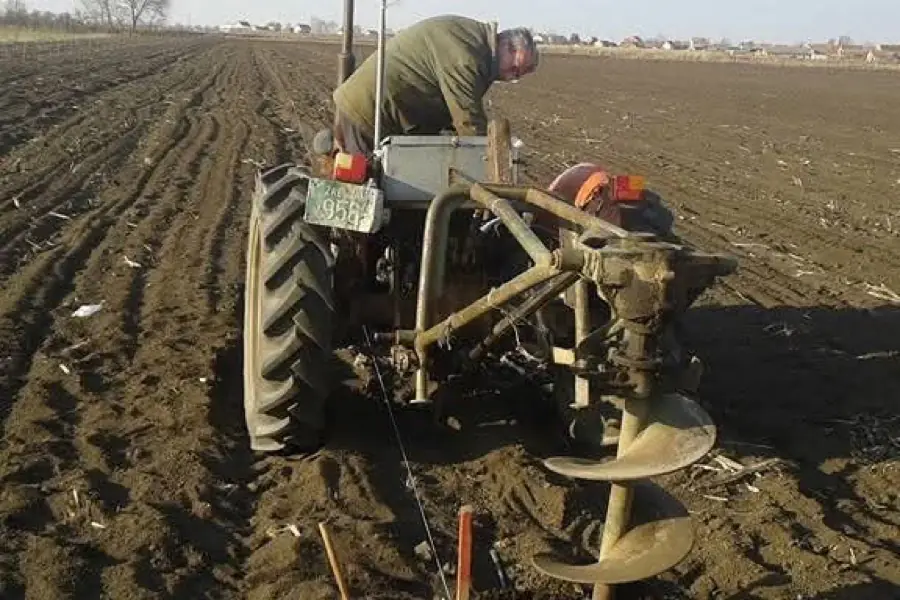
For Mirko Lekić, agriculture has never been just a subject studied in a classroom or a profession listed on a résumé. It’s something that has followed him through university, professional agricultural production, fieldwork, and countless hours spent caring for his family’s orchard and property.
Mirko is an agricultural engineer with formal education in biofarming, agronomy, and plant protection. His biofarming coursework gave particular weight to soil biology: the role of mycorrhizal fungi in phosphorus uptake, nitrogen fixation by free-living bacteria such as Azotobacter, and the use of biostimulants including seaweed extracts and humic acids as tools for improving root development and stress tolerance rather than simply pushing yield through conventional NPK. His experience covers everything from large-scale field and vegetable crop production to the everyday challenges of maintaining a family farm.
Over the years, he’s learned that successful growing doesn’t always come down to expensive machinery or complicated techniques. More often, it comes from understanding the soil, choosing equipment that fits the job, responding to changing conditions, and knowing when to let nature do its part.
That practical perspective is what he brings to Garden Power Scout.
From Agricultural Studies to Working in the Field

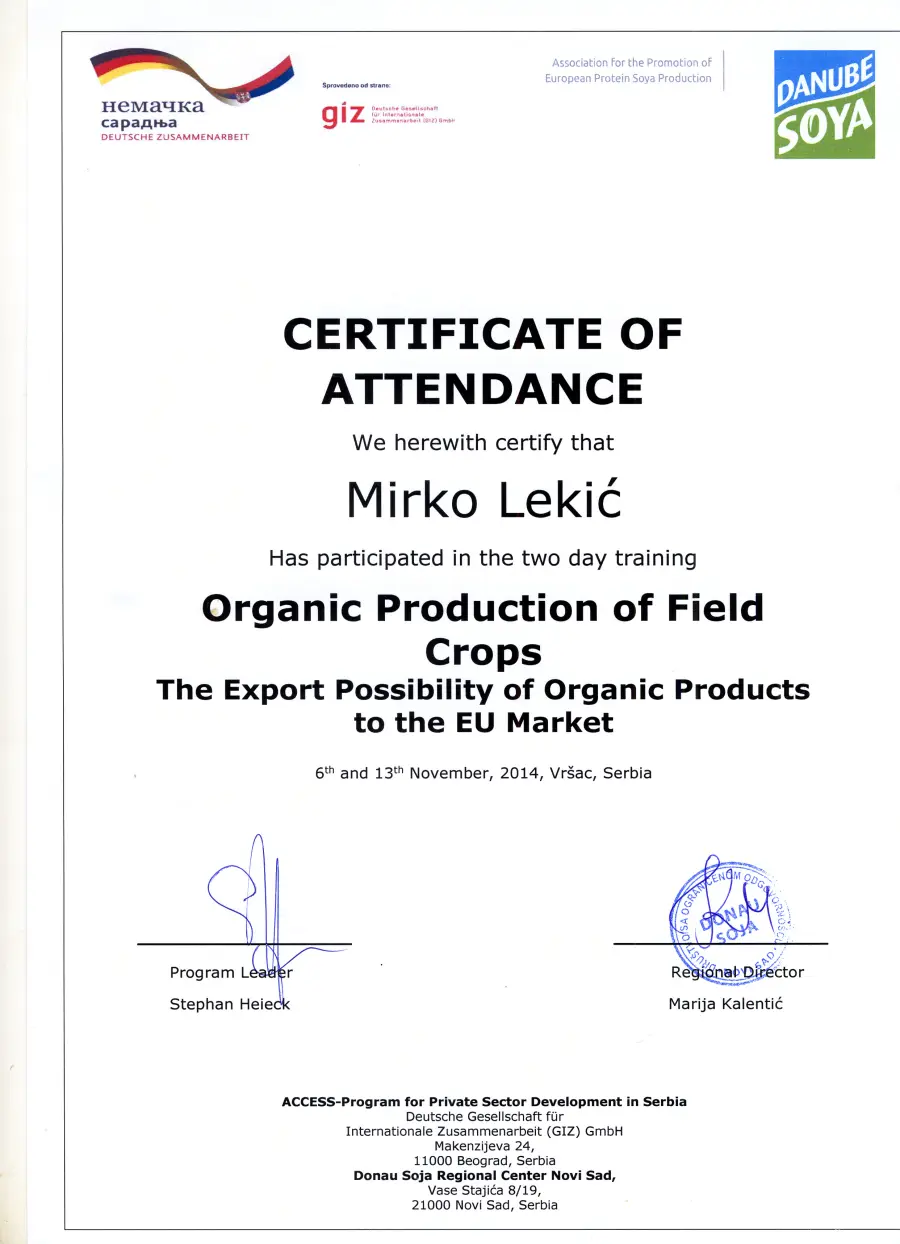

His agricultural education began with studies in agro-economics at the University of Novi Sad, followed by further education in agronomy and biofarming. But agricultural knowledge takes on a different meaning once you start applying it in the field.
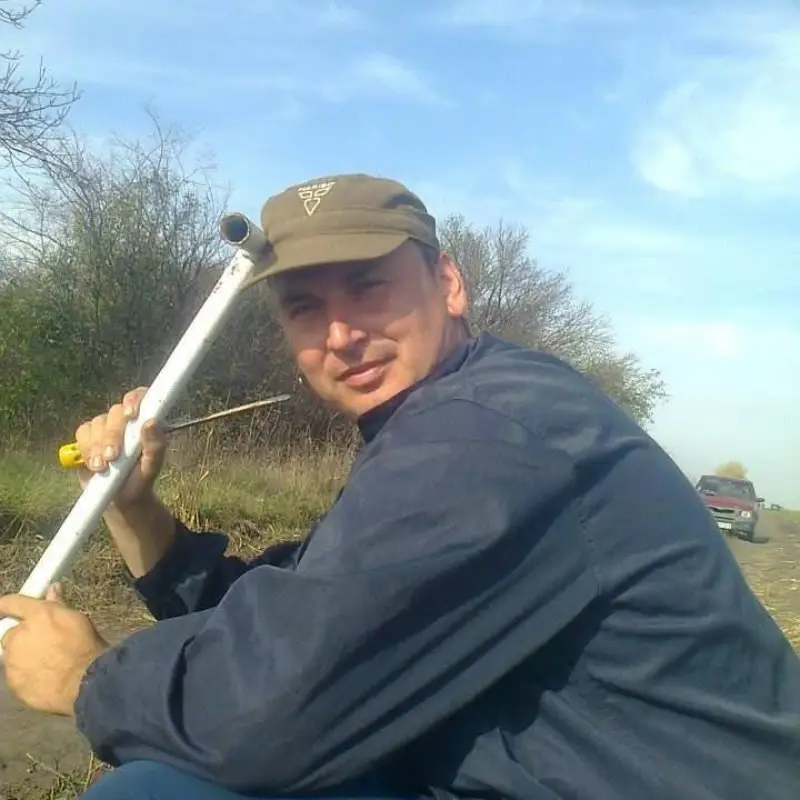
During his early professional experience at the Agricultural Advisory and Expert Service in Zrenjanin, Mirko worked on sugar beet field trials alongside agricultural specialist Ilija Bjelić. His practical training focused on sugar beet production technology, giving him direct experience with crop development, production practices, and field observation.
Soil sampling in field crop production follows a structured protocol: cores are taken on a grid of one composite sample per 7 to 12 acres, at 0 to 12 inches depth for the arable layer and 12 to 24 inches to track nitrate and potassium mobility in the subsoil. Each composite sample is analysed for plant-available phosphorus and potassium using the Egner-Maslova extraction method, total nitrogen, organic matter content, pH in KCl solution, and in targeted programmes, micronutrients such as boron and zinc that are critical for sugar beet quality and yield. The results feed directly into fertiliser dose calculations in lb/acre of active ingredient per field, turning sampling from a routine formality into a prescription that matches what the soil actually needs rather than what an average table recommends.
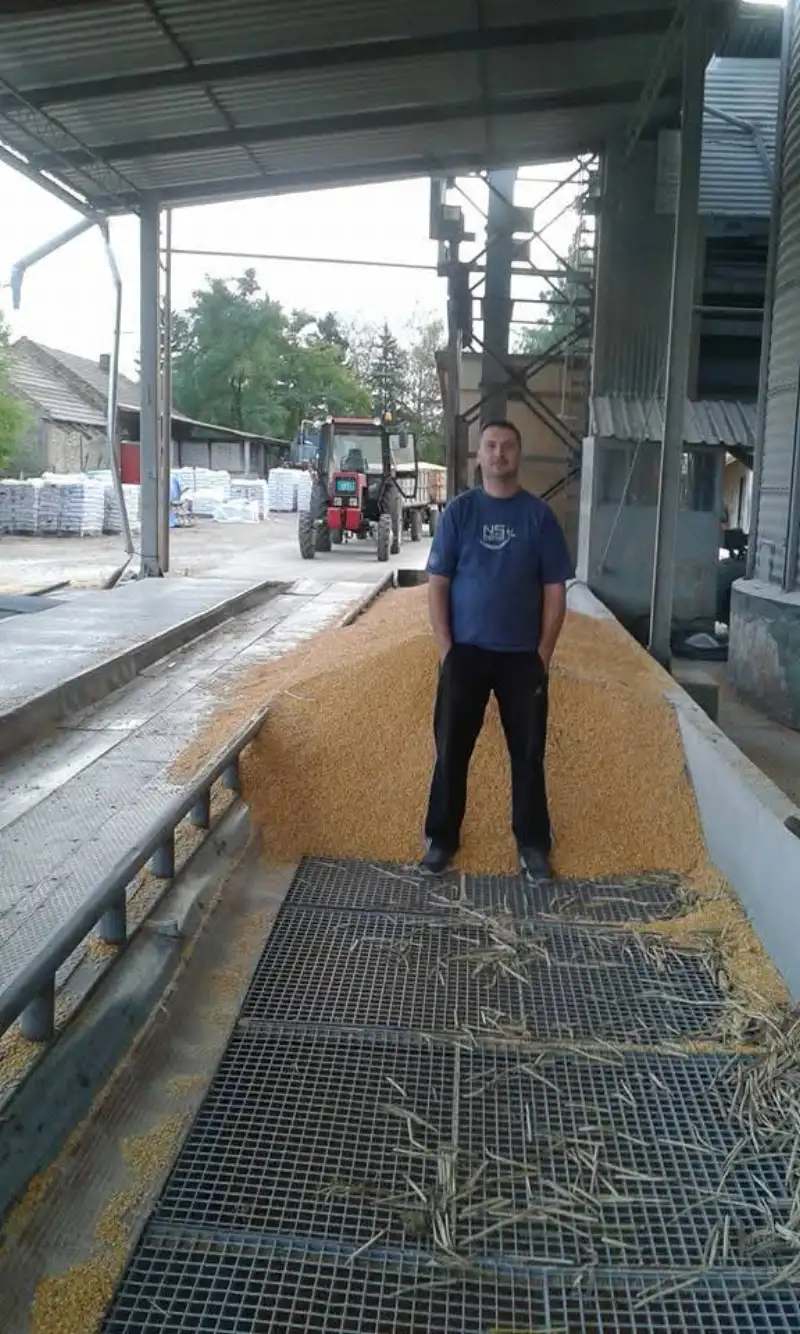

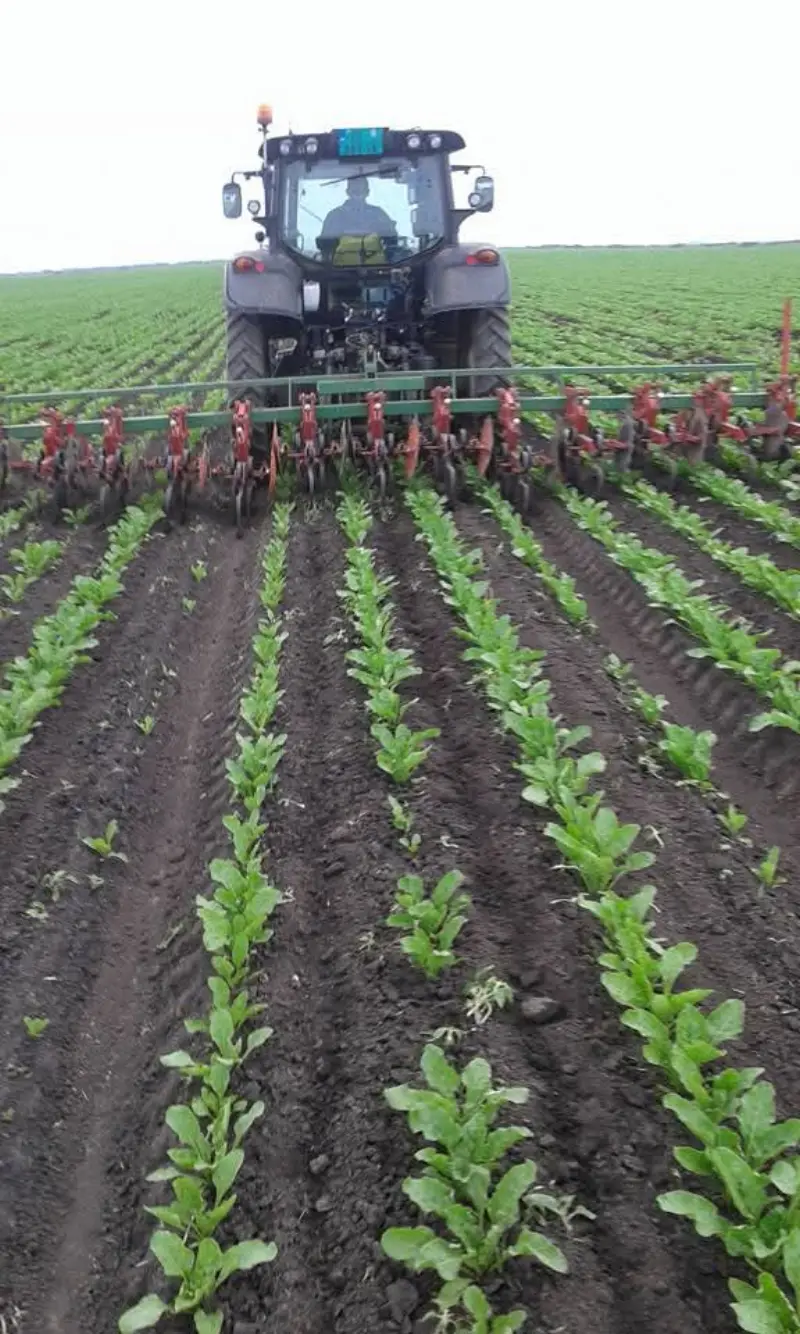
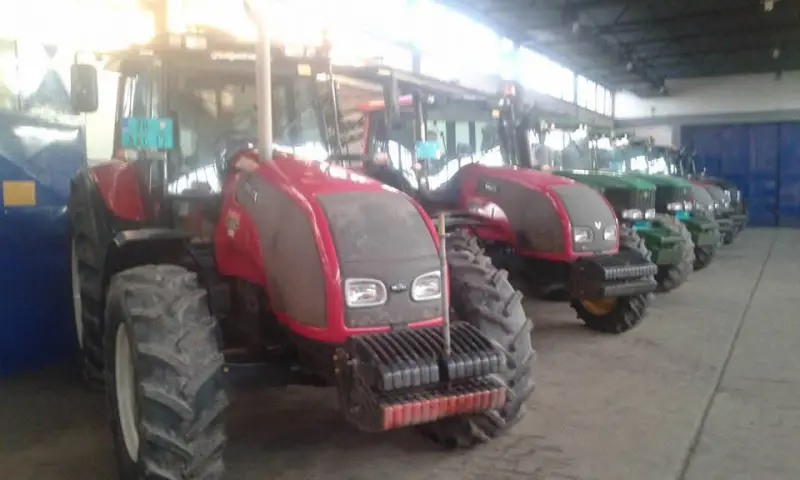
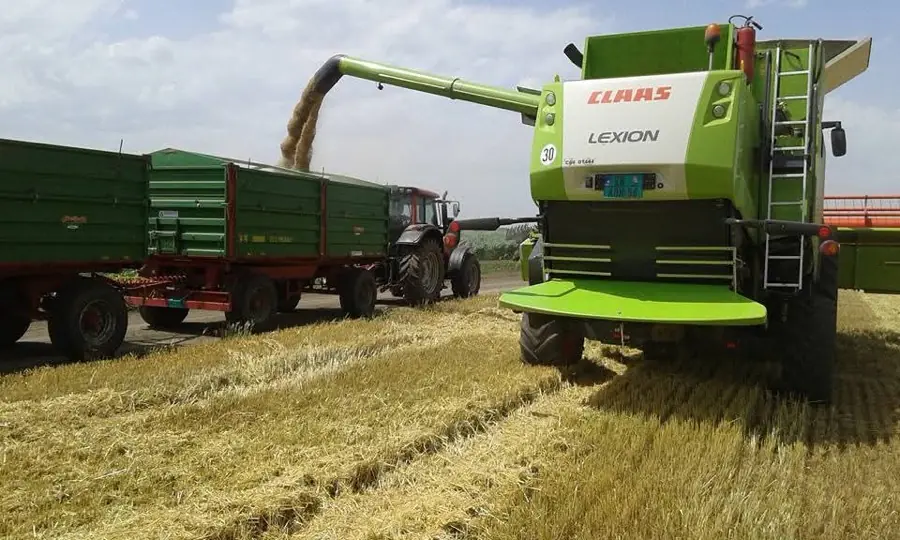
Working at that scale offers a very different perspective from maintaining a backyard garden. The production mix included winter wheat, corn, sunflower, sugar beet, and vegetable crops. Managing that range of species requires designing rotations that break weed and pathogen cycles across a four-year sequence, distribute labour and machinery peaks across the calendar, and prevent soil structure deterioration from repeated monoculture. Corn hybrids were selected by FAO maturity group matched to local heat sum accumulation; sugar beet sowing density was held at 36,000 to 40,000 seeds per acre with seed drill calibration verified on weighing trays at the field edge. Sprayer nozzle output was checked before each campaign with calibration cylinders, because at that scale a 5% dosing error on a herbicide or fungicide represents a significant cost and a potential efficacy failure across hundreds of acres. Planning, timing, machinery, soil conditions, and efficient use of resources all become inseparable parts of everyday decision-making.
Yet many of the underlying principles remain the same, whether you’re managing thousands of acres or growing tomatoes in a small vegetable patch. Healthy soil matters. Water management matters. Proper maintenance matters. And using the right tool at the right time can save considerable effort.
These are lessons Mirko has carried from professional agricultural production into his work on the family farm.

The Lekić Family Farm: Where Knowledge Meets Everyday Practice
While Mirko’s professional background includes large agricultural operations, some of his most personal experience comes from the Lekić Family Farm.
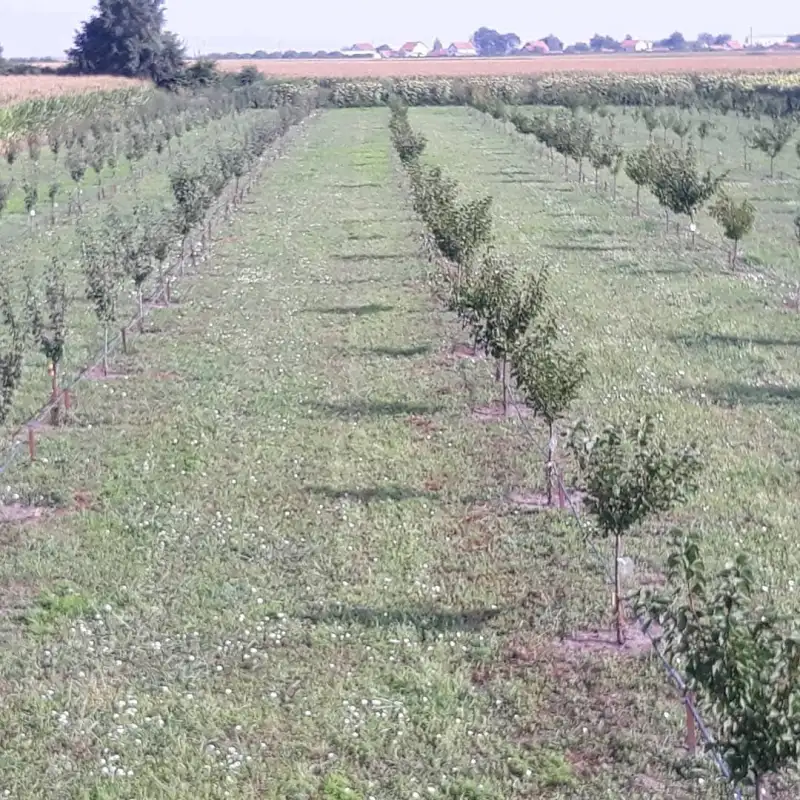
Apricots and plums on the farm are trained under a modified central leader system, which keeps the canopy open enough for light to reach 70 to 80 percent of the leaf area. Below that threshold, fruit colour, sugar accumulation, and wood maturity all decline measurably. Annual dormant pruning removes crossing, shading, and downward-growing wood, typically 20 to 25 percent of canopy volume, and is followed by a dormant mineral oil spray at silver tip to smother overwintering eggs of European red mite and San José scale before they hatch. Fruit thinning is done by hand at the ⅜ to ½ inch fruitlet stage, around 30 to 35 days after full bloom, targeting one fruitlet per 3 to 4 inches of fruiting wood for plums. This prevents the biennial bearing cycle and concentrates the tree’s energy into fewer, larger, better-quality fruit rather than a high volume of small, poorly coloured ones.
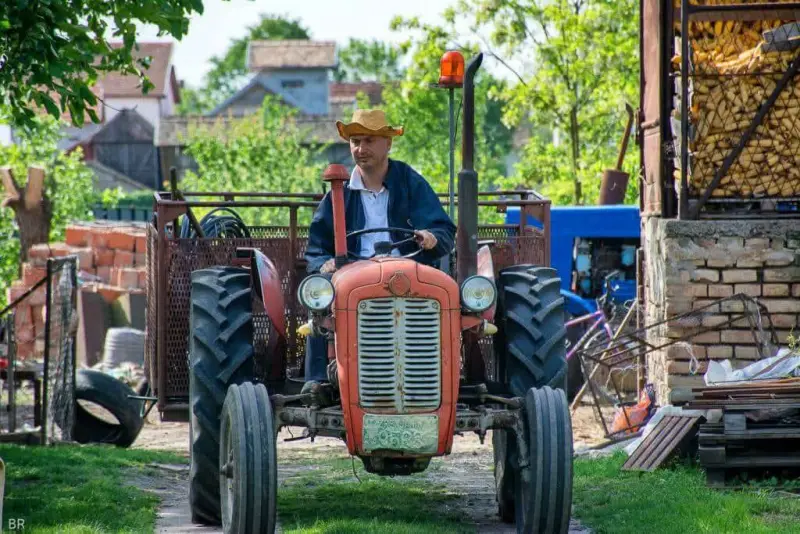
An orchard is never a project you simply finish. Fruit trees need attention throughout the seasons. There’s pruning, mowing, soil maintenance, irrigation, monitoring plant health, managing vegetation, and making dozens of decisions that depend on the weather and the condition of the trees.
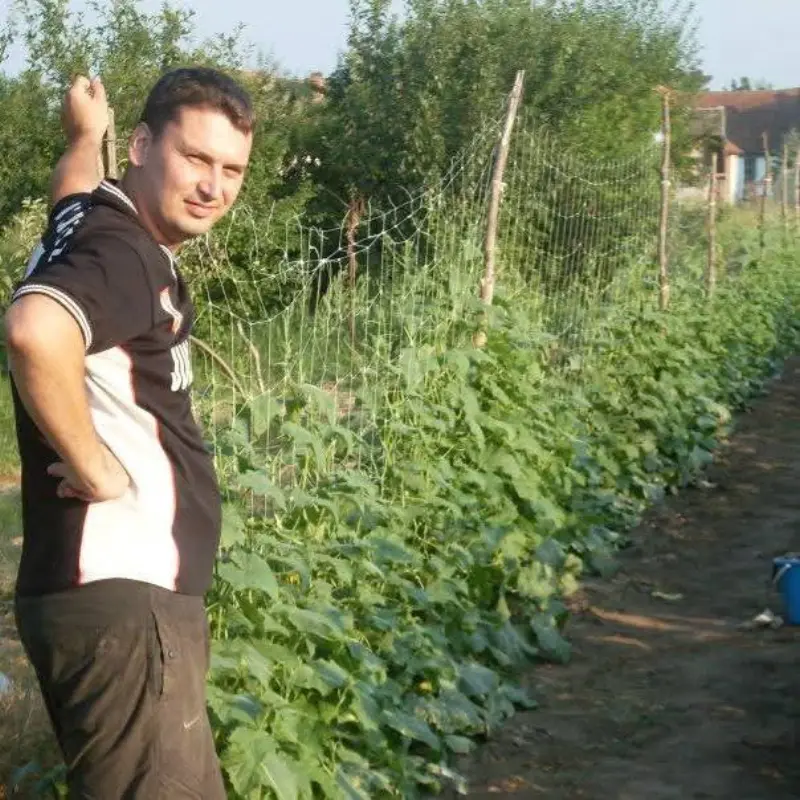
Mirko’s responsibilities also extend to maintaining lawns and outdoor areas around the farm and family home, as well as work associated with vegetable growing and general property upkeep.
The demands of a working property also provide a useful perspective on equipment selection. A machine doesn’t have to be the biggest, most powerful, or most expensive to be the right choice. It needs to suit the terrain, workload, available space, and person operating it.
Plum trees on the Lekić family farm
Building an Irrigation System That Works for the Land
One of Mirko’s most significant projects on the family farm has been developing and building a substantial irrigation system.
Water management is one of the most important aspects of growing healthy crops and maintaining productive fruit trees, particularly when rainfall is unpredictable or summer conditions become demanding.
This experience shapes the way Garden Power Scout approaches topics involving water pumps, garden irrigation, watering equipment, and efficient water use.
The system uses pressure-compensating emitters rated at 2 gallons per hour, which hold output uniformity within 5 percent across the full working pressure range regardless of elevation changes along the row. Irrigation scheduling is based on estimated evapotranspiration rather than a fixed calendar, using reference ET₀ values adjusted by a crop coefficient that shifts through the season. A 150-mesh disc filter at the pump head protects the emitters from sediment and algae, which are the primary cause of partial clogging that goes unnoticed until a strip of trees shows reduced growth or smaller fruit at harvest.
Plant Protection With a Thoughtful Approach
With academic training specifically in plant protection, Mirko understands that caring for crops involves more than reacting when something goes wrong.
Plant health begins with suitable growing conditions, regular observation, proper maintenance, and an understanding of the threats that can affect different crops throughout the growing season.
The emphasis is on responsible use, correct application, and choosing an approach that fits the crop and the problem being addressed.
In stone fruit orchards, the dominant fungal threats are Monilinia laxa, which attacks blossoms and young shoots in wet springs, and brown rot (M. fructicola) that strikes ripening fruit in the final weeks before harvest. Effective management means timing the first spray at 10 to 20 percent open flower using a DMI fungicide (FRAC Group 3), then rotating to an SDHI or QoI product at petal fall to slow resistance build-up in the local pathogen population, and observing the pre-harvest interval strictly. European red mite populations are monitored using the 25-leaf sample method; the economic action threshold of 2 to 3 motile mites per leaf mid-summer determines whether an acaricide is warranted or whether resident predatory mite populations can keep numbers below damaging levels without a spray at all.
Drip irrigation system in Mirko’s orchard: 2 gallons per hour per emitter
Why We Created Garden Power Scout
Anyone who has spent time shopping for outdoor power equipment knows how overwhelming the choices can become.
Two lawn mowers may look almost identical but behave very differently on uneven terrain. A tiller that works beautifully in an established vegetable bed might struggle with compacted soil. A powerful brush cutter may be unnecessary for someone maintaining a small suburban yard.
And a more expensive machine isn’t automatically a better one.
At Garden Power Scout, we want to help readers look beyond marketing claims and focus on the features that matter in actual use. Our approach combines Mirko’s agricultural background and practical knowledge with product specifications, technical documentation, available performance information, and comparisons between different equipment options.
“The goal isn’t to convince everyone to buy more equipment. It’s to help people choose equipment that makes sense for the work they actually do.”
We also recognize the difference between having experience with a category of equipment and personally testing a particular product. When we haven’t tested a model ourselves, our recommendations are based on research and clearly identified product information rather than claims of firsthand testing.

A Passion for Growing, Learning, and Working Outdoors
Agriculture is constantly changing. New tools appear, technologies improve, and methods evolve. But much of what makes a garden, orchard, or farm successful remains rooted in experience.
You learn by watching how plants respond to the weather. By understanding the soil beneath your feet. By discovering which jobs require precision and which simply require persistence. And sometimes, you learn because something doesn’t go according to plan.
Mirko’s background brings together academic education, professional agricultural production, and years of direct involvement in a working family property. That combination informs the way we think about equipment, cultivation, plant care, and the practical challenges our readers face.
We know that not everyone visiting Garden Power Scout manages an orchard or works in agriculture professionally. Some readers are planting their very first vegetable garden. Others have spent decades maintaining lawns, caring for trees, or improving their land.
Keep It Green
Mirko manages the soil on his farm not as a growing medium to be loaded with inputs, but as a biological community that takes years to build and can be degraded quickly by poor decisions. Between the orchard rows, cover crops of legumes and grasses are sown after the main growing season: the legumes fix atmospheric nitrogen through root-nodule bacteria, the grasses build organic matter as they decompose, and the combined root mass prevents compaction and erosion over winter.
Tillage is kept to a minimum and limited to tree-row strips where genuinely needed, preserving earthworm populations and the fungal hyphal networks that bind soil particles into stable aggregates. Organic matter content in the top 12 inches is monitored through periodic soil analysis and actively managed toward the 3 percent humus target that characterises a productive, drought-resilient agricultural soil.
Drip irrigation reduces the farm’s water draw by 40 to 50 percent compared to overhead sprinklers, and because water is delivered directly to the root zone, there is almost no surface runoff to carry dissolved nitrates or pesticide residues toward the drainage ditches that border the property. Fertiliser is applied through the drip system as soluble concentrate in small, frequent doses matched to the tree’s seasonal uptake curve, far less is lost to deep leaching than from a single broadcast granular application made at the start of the season.
Every plant protection decision begins with field monitoring: pheromone traps for moths, leaf-sample counts for mites, visual scouting for disease symptoms. A spray is applied only when population counts cross an evidence-based action threshold, not on a precautionary calendar, which means that in a favourable year several spray rounds are skipped entirely without any loss of fruit quality.
The farm maintains flowering strips of phacelia, white clover, and buckwheat along the headlands and between sections of the orchard. These are not decorative: they provide a continuous nectar source for pollinators throughout the season and support populations of beneficial insects including lacewings and parasitic wasps that attack aphid colonies, hoverflies whose larvae prey on mites, and ground beetles that consume weed seeds and soil-dwelling pest larvae.
Broad-spectrum insecticides are avoided during and immediately after flowering to protect pollinator activity, which is essential for a productive apricot and plum crop. Hedgerows along the farm perimeter are maintained rather than removed, providing nesting habitat for birds that feed on insect pests and acting as windbreaks that reduce soil moisture loss and physical crop damage during summer storms.
What You’ll Find on Garden Power Scout
We focus on helping readers make better-informed decisions about the tools, equipment, and methods involved in caring for outdoor spaces. Our main areas of coverage include:
Lawn Care & Maintenance
Lawn mowers, string trimmers, brush cutters, and equipment for maintaining healthy, attractive outdoor areas.
Gardening & Soil Preparation
Tillers, cultivators, digging tools, and equipment for preparing and maintaining productive growing spaces.
Orchard & Tree Care
Pruning tools, chainsaws, pole saws, and equipment used to manage trees and woody vegetation.
Irrigation & Watering
Water pumps, irrigation systems, sprinklers, and practical watering solutions.
Plant Care & Protection
Sprayers, plant maintenance equipment, and responsible crop care practices.
Farm & Property Maintenance
Outdoor machinery and tools suited to maintaining larger properties and agricultural spaces.
Power Tool Reviews
In-depth individual reviews of garden power tools, with performance notes, key specs, and honest assessments of what each machine does well.
Guides & Tips
Practical how-to guides, maintenance tips, and seasonal advice drawn from real agricultural experience to help you work smarter outdoors.
Whether you’re comparing two machines, trying to understand a technical specification, or looking for equipment suited to a particular job, we aim to give you information that’s practical, understandable, and grounded in real agricultural knowledge.
Our Commitment to Readers
At Garden Power Scout, we believe useful advice should be clear, realistic, and respectful of the reader’s time and money.
We don’t believe every gardening task needs an expensive solution. Nor do we believe that one piece of equipment is right for every property. A small garden, a suburban lawn, and a working orchard have different needs, and our content aims to reflect those differences.
We strive to explain equipment capabilities and limitations, distinguish research from firsthand experience, and provide enough context to help readers make their own decisions.
Above all, we want Garden Power Scout to feel like a place where genuine interest in gardening meets practical agricultural knowledge.
Because working the land isn’t only about what you grow or how much you harvest. It’s also about the satisfaction of doing the work, looking after something over time, and seeing the results of your care.
Welcome to Garden Power Scout. We’re glad you’re here.